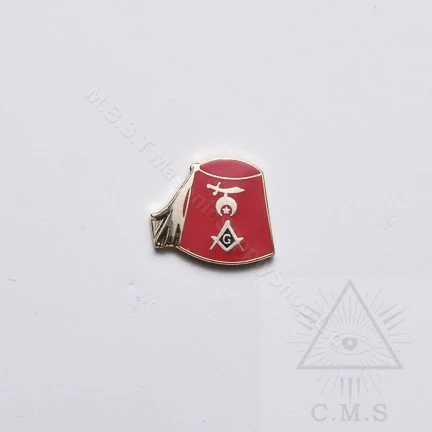
Not affiliated with Shriners International. This is an independent supply guide; Shriners and related emblems are trademarks of their owner.
A good Shrine fez can last for decades, but the parts don't. Tassels fray, rhinestones fall out, emblem strips fade and the crown loses its shape. The right fez supplies let a Noble repair and refresh a fez instead of replacing it. This guide covers the parts that wear out, how to choose replacements and how to fit them, so your fez looks as sharp at its twentieth ceremonial as it did at its first.
Which fez supplies wear out first?
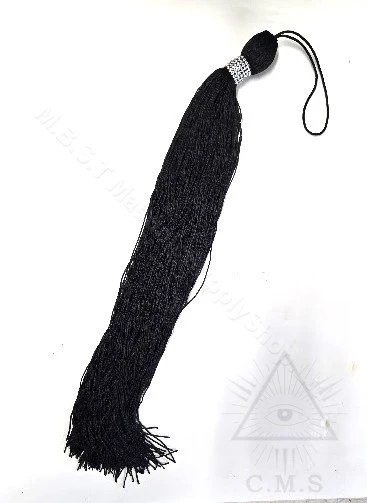
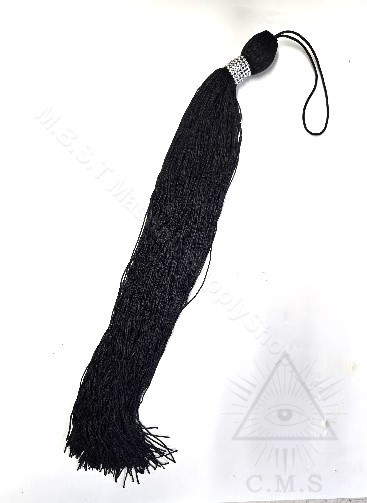
The tassel is the part that wears out fastest. It swings with every step, catches on car roofs and coat hooks, and is the first thing people notice. After that come rhinestones, which loosen with heat and handling, and the stiffener inside the crown, which softens over years of being worn, packed and stored.
- Tassels: fraying, tangling, a loose button where the cord meets the crown.
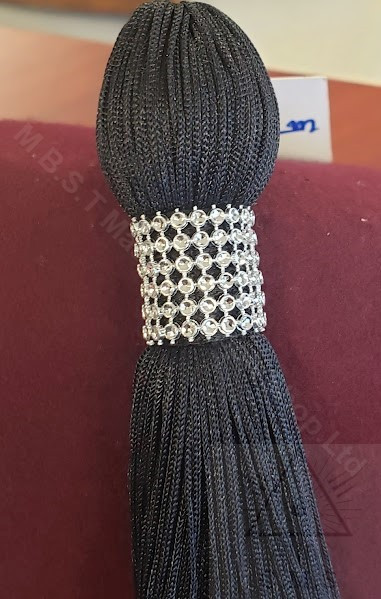
- Rhinestones: missing stones in the jewelled emblem or in unit rows.
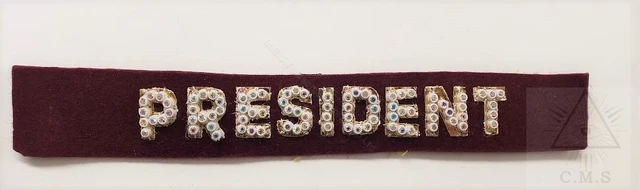
- Emblem and unit strips: faded embroidery or stones on the strip across the front.
- Stiffener inserts: a crown that dents or slumps.
- Linings and sweatbands: stains and stretching from wear.
Replacement tassels
Fez tassels come in different lengths, and the right one depends on the fez and on local custom. Measure the old tassel from the button to the end of the fringe before ordering. Most standard Shrine fezzes take a black tassel; some units and officers follow their own Shrine's colour rules. A Grotto fez uses its own tassel, so don't mix the two. Our guide to replacing a fez tassel walks through the job step by step.
Rhinestones and stone repairs
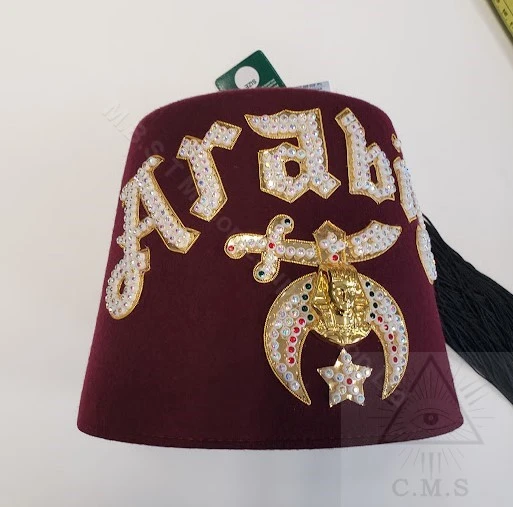
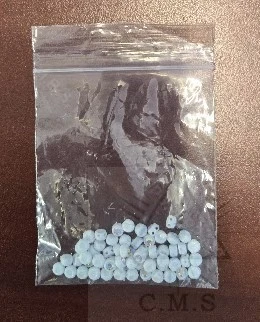
Many fezzes carry a jewelled emblem, unit name or row of rhinestones. Replacement stones are sold loose, often in bags of 50 or more, so a unit can keep a supply for everyone's repairs. Match the size and colour of the existing stones, and use a jewellery or fabric adhesive suited to the backing. Work in good light with tweezers, and let the glue cure fully before wearing.
Emblem and unit strips
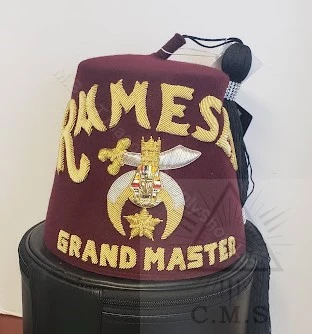
Units such as drum corps, motor corps, clowns and Oriental bands often wear a strip identifying the unit. Strips come embroidered or set with rhinestones. Replacing a worn strip gives a fez a new look without buying a new fez, and it keeps a unit matched when a new member joins.
Fez stiffeners
A stiffener insert restores the crown's shape. If the fez dents easily or sits low on the head, a new insert is often the fix. Check the inside measurement before ordering, and fit the insert carefully so the lining doesn't bunch.
When to replace instead of repair
If the felt itself is faded, moth-damaged or torn, or the fez no longer fits after years of wear, a new fez is usually better value than repairs. Keep the old one as a keepsake: many Nobles keep their first fez for life.
A repair kit for your Shrine club or unit
A small kit kept by the unit's quartermaster makes ceremonial days easier: spare tassels, a bag of rhinestones, adhesive, a lint roller, tweezers and a soft brush. A five-minute repair in the parking lot saves a Noble marching with a missing stone.
Storing a fez between events
Keep the fez in a box or a fez case, crown up, with the tassel laid flat. Avoid hot car trunks, where adhesive softens and rhinestones drop. Brush the felt gently before putting it away.
Where to buy fez supplies
Masonic Supply Shop is owned and operated by Freemasons. See its Shrine fez and fez accessories, including replacement tassels and rhinestones, or browse its Shrine accessories.
FAQ
Can I replace a fez tassel myself?
Yes. Most tassels attach with a button or loop at the crown and can be changed at home in a few minutes.
Are fez rhinestones sold individually?
They are usually sold in bags, which is handy for clubs and units that share repairs.
Will a Grotto tassel fit a Shrine fez?
Grotto and Shrine fezzes are different, so buy the tassel made for your fez.
How do I clean a fez?
Brush the felt with a soft brush, spot-clean the lining gently and avoid soaking the fez.